
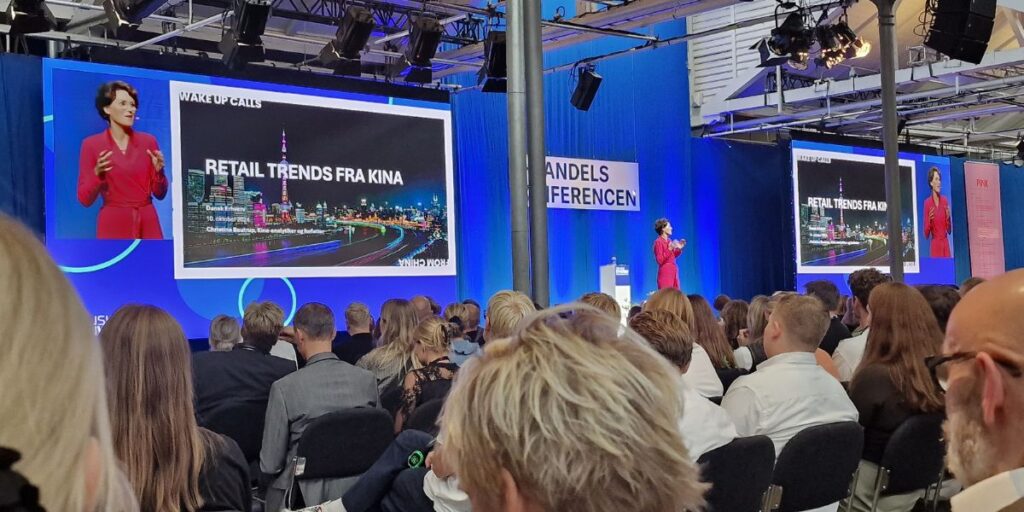
Welcome to my digital insights hub, where I dive into the latest in e-commerce, digital marketing, and international retail trends. Today, I’m excited to share insights from the recent E-commerce Conference, which was packed with groundbreaking ideas, including a powerful keynote by Christina Boutrup on retail innovation in China. In this post, I’ll walk you through key takeaways from the entire conference, highlighting trends reshaping global retail and exploring how they can elevate Danish e-commerce.
From AI-driven personalization to gamification, these trends reveal new possibilities and set ambitious standards. Let’s dive into how each can be adapted to push your business forward.
Trend #1: Content First – Inspired by Zalando
China’s approach to retail content is fundamentally changing. Content is no longer just an add-on but the first priority for brands aiming to capture attention in competitive markets. Inspired by Zalando’s “content-first” approach, this trend focuses on creating engaging, multimedia content that goes beyond the traditional product listing. Chinese brands are leveraging high-quality images, videos, and storytelling to create memorable shopping experiences.
How it applies in Denmark: Danish brands can benefit by rethinking their content strategy, prioritizing unique, compelling stories and visuals. Incorporating content-first principles can be a powerful way to differentiate your brand and connect with consumers on a more personal level. If you’re looking to implement a content-first strategy, our resources section has tools and insights to get you started.
Trend #2: Gamification in E-commerce
In China, gamification isn’t just a tactic; it’s a vital part of engaging users and creating an interactive shopping experience. Apps like Pinduoduo have mastered gamified elements, offering rewards, discounts, and competitive points systems to make shopping a more dynamic activity. These elements increase retention and incentivize users to return to the app.
How it applies in Denmark: Gamification in Danish e-commerce can provide a fresh, fun way to engage customers. Adding interactive features like loyalty rewards or limited-time deals based on user actions encourages customers to stay engaged longer. If you’re considering gamification in your strategy, explore how branding can play into these elements.
Trend #3: Building Your Own AI Assistant
Artificial Intelligence (AI) has become a cornerstone of Chinese e-commerce, and many retailers are now building proprietary AI assistants to enhance personalization and customer service. AI-driven chatbots can handle complex queries, provide product recommendations, and even process orders, creating a seamless shopping experience.
How it applies in Denmark: Adopting AI tools and personal assistants in your e-commerce site can streamline the buying process and provide immediate support for customers. A custom AI assistant may also help increase conversion rates by delivering personalized product recommendations. Visit our digital marketing page to explore strategies that incorporate advanced AI for a seamless customer experience.
Trend #4: Livestream Shopping 24/7
Livestream shopping has exploded in China, allowing brands to showcase products live while interacting with viewers in real-time. Platforms like Taobao Live have transformed livestreaming into a core retail channel, with brands hosting events 24/7. These sessions drive immediate sales and foster a sense of exclusivity and urgency among viewers.
How it applies in Denmark: Danish brands can adopt livestream shopping as a way to engage audiences and offer real-time product insights. This model can be adapted with influencer collaborations or in-house demonstrations that mirror China’s 24/7 approach. A well-executed livestream can enhance customer trust and build community. Consider adding a livestream option to your omnichannel strategy to connect with audiences across platforms.
Trend #5: Autonomous, Generative, and Predictive AI
Perhaps the most revolutionary trend in Chinese retail is the adoption of autonomous and predictive AI. From autonomous stores with no staff to generative AI that predicts purchasing behavior, Chinese brands are integrating AI in every step of the retail journey. Generative AI can predict what consumers will buy next, allowing brands to tailor inventory, adjust pricing, and create highly personalized marketing campaigns.
How it applies in Denmark: Incorporating predictive AI helps anticipate consumer behavior, optimize inventory, and improve customer experience. As AI technology advances, autonomous retail experiences might also gain traction. Integrating predictive AI in your SEO strategy can give your brand an edge in understanding and meeting consumer demand before it even arises.
Learning from China’s Playbook: Taking Danish E-commerce to the Next Level
While some trends from China may seem ambitious, they challenge us to think beyond conventional strategies. Can we adopt a content-first mindset, add gamification elements, or consider livestreaming as a sales tool? Or perhaps it’s time to invest in advanced AI to enhance customer experience.
These trends are signals of where global e-commerce is heading, and embracing them could mean staying ahead of the curve. As the world shifts toward more connected, personalized, and technology-driven shopping experiences, brands that remain adaptable and forward-thinking will thrive.
Ready to explore these trends? Connect with me through the contact page or dive deeper into digital strategies on my services page. For more insights and resources, check out the blog and resources section to stay updated on the latest in retail and e-commerce trends.