
SEO
AI-generated content penalties in 2026 (and what to do)
Data shows a clear pattern: sites publishing AI-generated content at scale lose organic traffic and AI citations. Here is why, and what works instead.
 Michael Kirkegaard
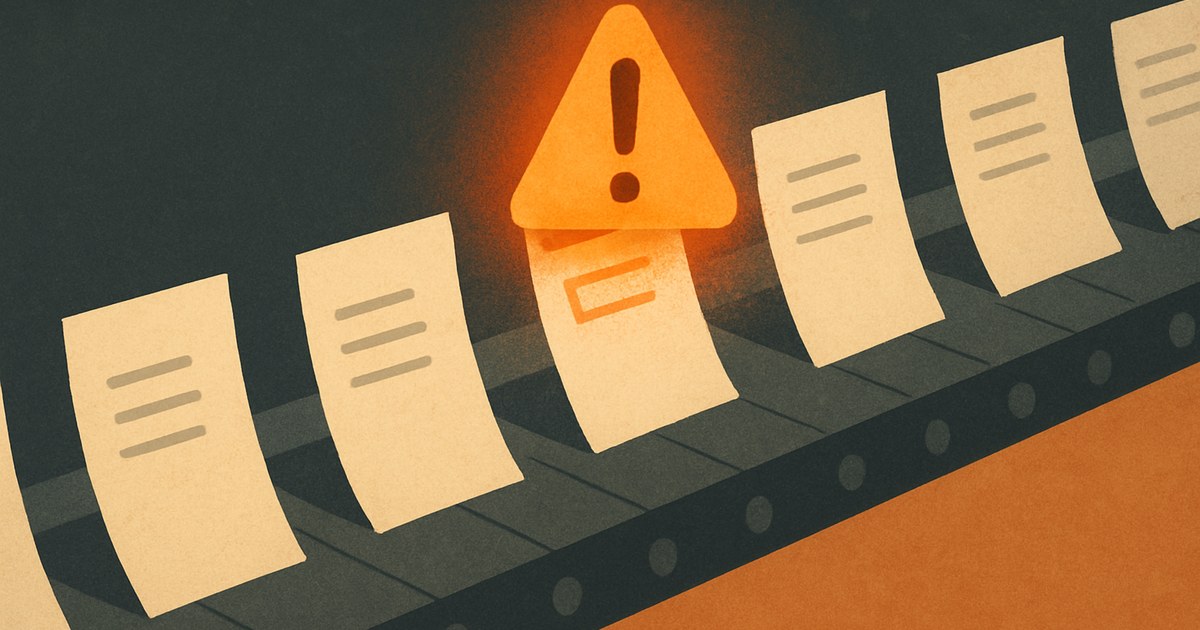
A few years ago the strategy was simple for many: generate hundreds of articles with AI, push them out, and harvest the organic traffic. Data from 2026 shows that strategy is breaking down. Sites that built traffic that way are now losing it, both on Google and in AI answers.
The pattern is clear in the data
Look at a site that has built most of its content on AI-generated, affiliate-heavy material. The typical signs: organic traffic falling over the past 6 months, the number of ranking keywords falling, and citations in AI overviews (ChatGPT, Gemini, Copilot) dropping sharply, in some cases more than 70 percent in a single quarter. That is not random. It is a pattern repeating across sites that bet on volume over substance.
Why it happens
Google has become better at recognizing thin content. Updates aimed specifically at helpful content penalize pages written to rank rather than to help, whether they were written by a human or a machine. AI-generated content with no real research or experience behind it often lands in exactly that category.
The AI models themselves have become pickier about what they cite. When an AI assistant has to choose which source to cite, it prefers sources with clear author authority, concrete detail and credibility, not generic summarized text that could have been written about any topic by any author.
Affiliate-heavy content loses credibility twice. When the purpose of an article is clearly to generate an affiliate click rather than to help the reader, it shows, both to humans and increasingly to the signals search engines and AI models use to judge quality.
What works instead
Real experience that cannot be generated. An article about a tool written by someone who has genuinely used it for ten years contains details, nuances and concrete trade-offs no AI can invent without that experience. That is the kind of content that gets harder and harder to copy the more AI-generated content already exists.
Fewer articles, at a higher standard. It sounds like a paradox in a time when “produce more” is the standard advice, but the data points the other way. A smaller number of thorough, experience-based articles beats a large number of thin ones in the long run.
Transparency about AI as a tool, not as the author. Using AI for research and first drafts is not the problem in itself. The problem is when it becomes the only source of the content, without a human who genuinely knows the subject correcting and approving it afterwards.
What it means for you
If you are considering scaling content quickly with AI, the short-term gain is real, but the long-term bill arrives. Build your content on what you have genuinely experienced instead: tools you have used, campaigns you have run, numbers you have seen yourself. It is slower, but it is the only kind of content that keeps working as both Google and the AI models get better at telling the difference.
The same principle should apply to all published content: AI can support research and drafting, but an accountable subject specialist must check the facts, add experience and approve the result.
Related service
SEO you can see on the bottom line
Run into a term along the way? Look it up in the marketing dictionary, with plain explanations of more than 400 marketing terms.